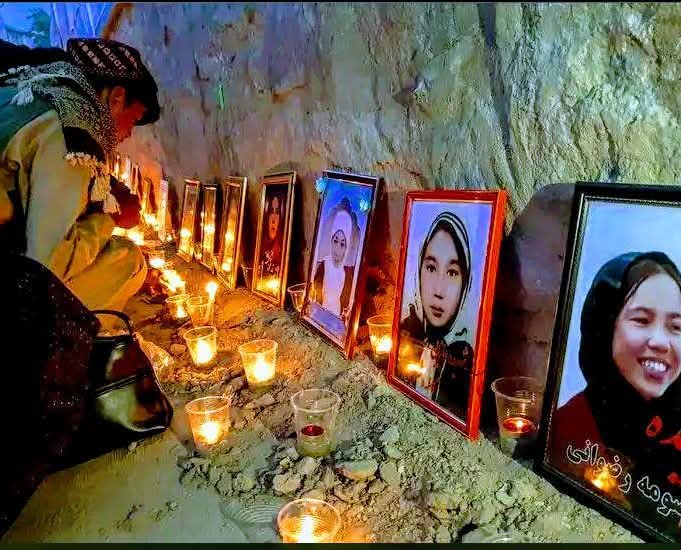
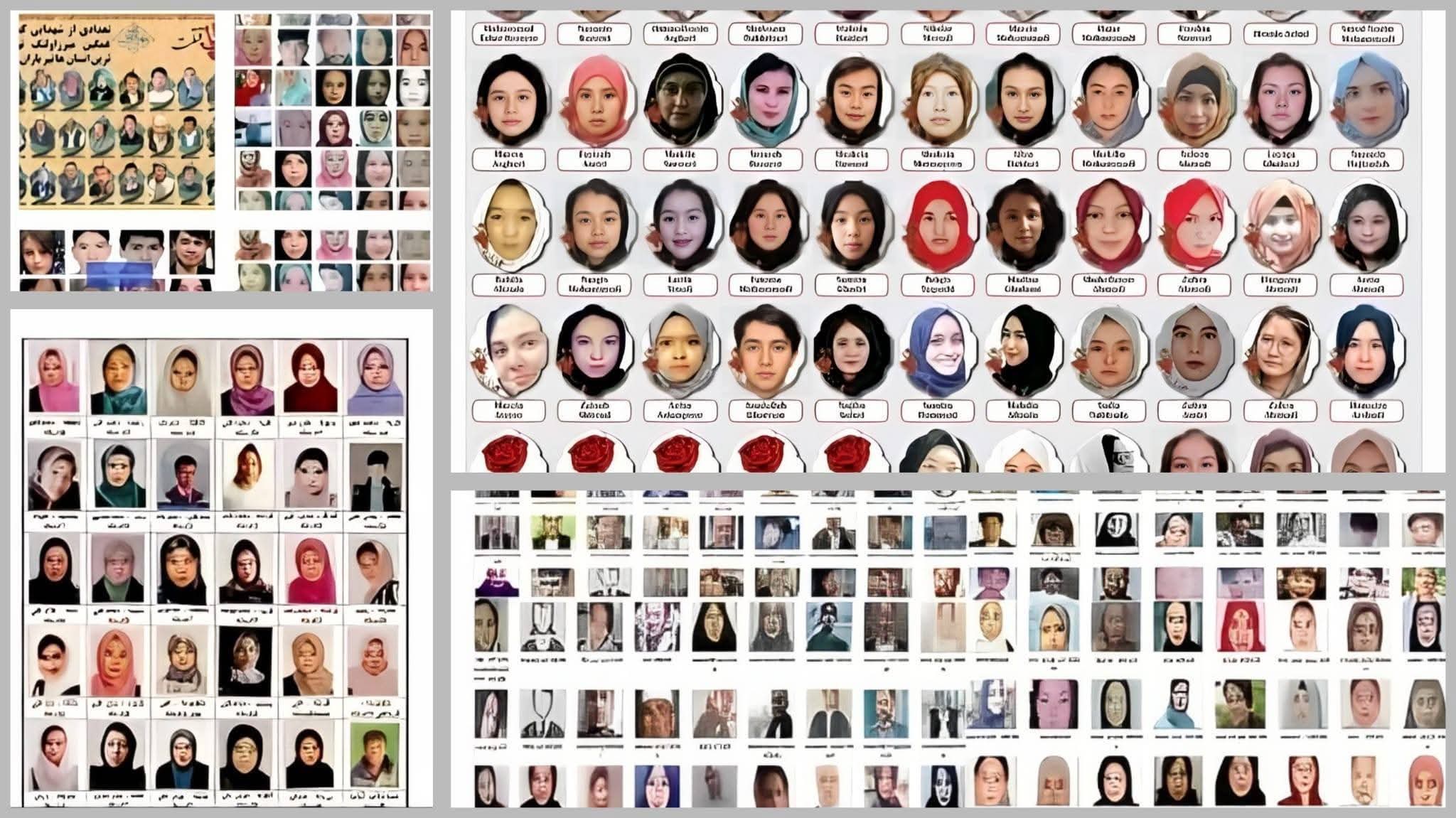
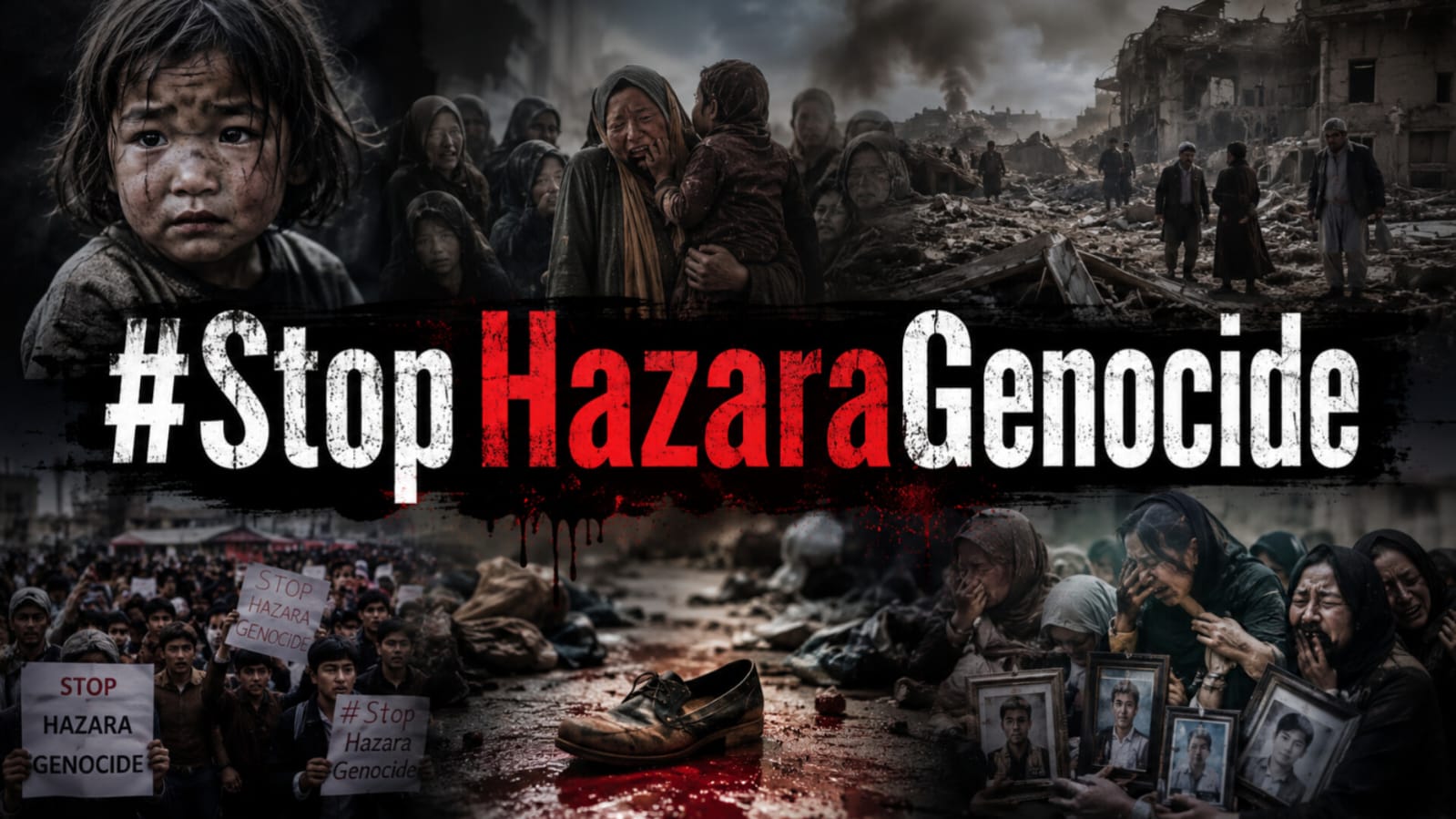
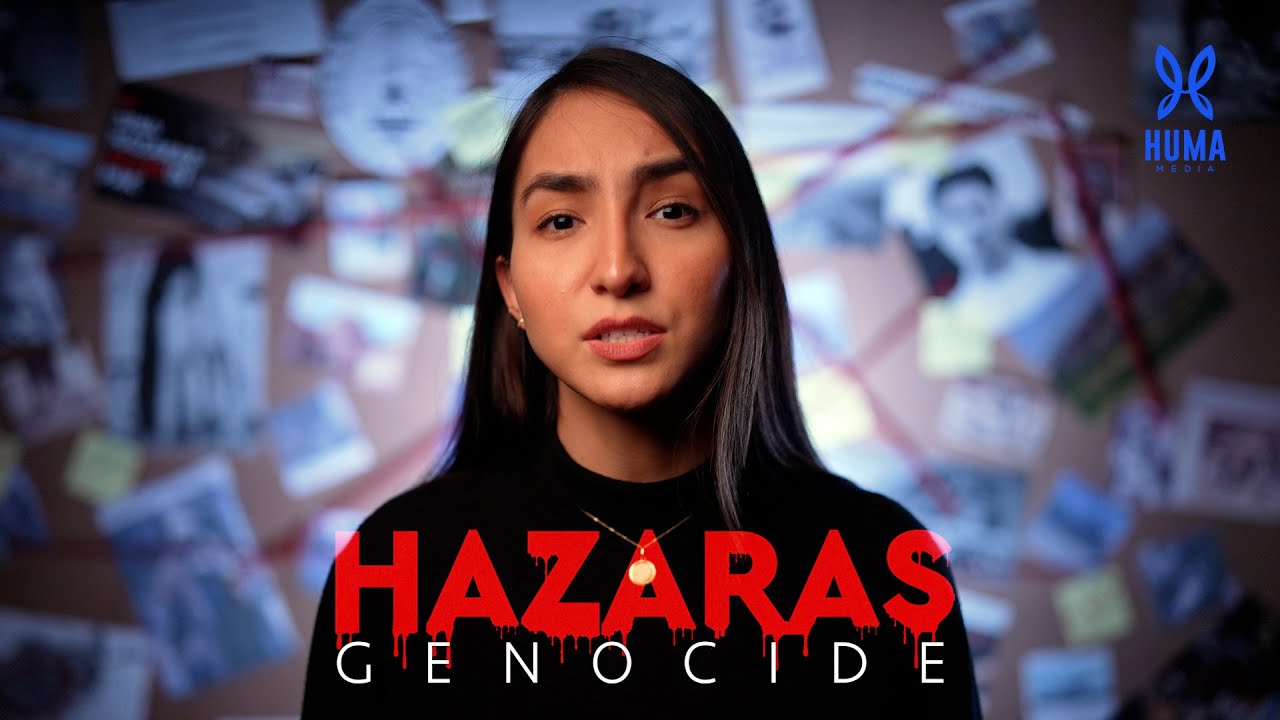
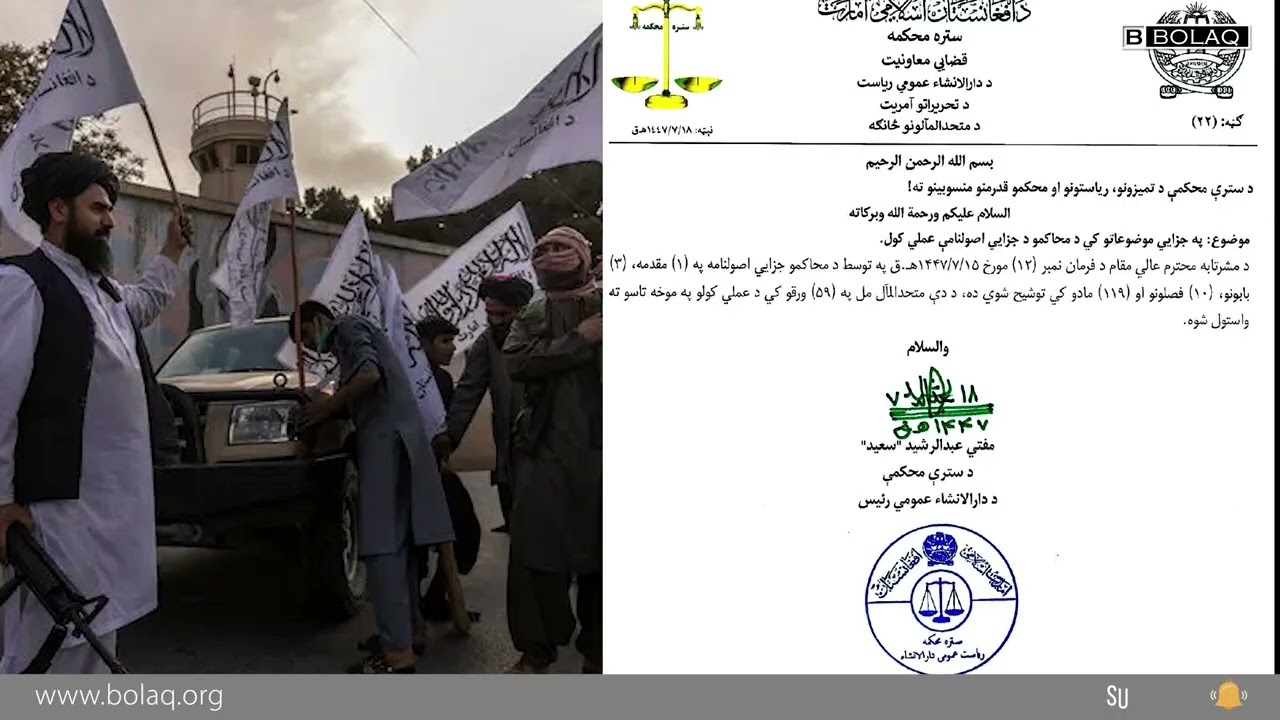
Images documenting the protests, solidarity, and global movement for recognition of the Hazara genocide
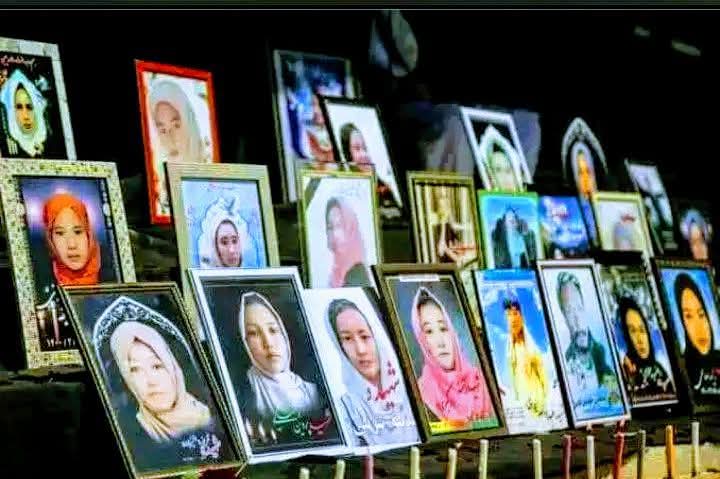
We, the undersigned, call upon the United Nations, the Human Rights Council, the International Criminal Court, national parliaments, democratic governments, and all human rights institutions to investigate and formally recognize the widespread, systematic, and ongoing crimes committed against the Hazara people as genocide under international law.
For more than a century, the Hazara people have repeatedly been subjected to mass killings, forced displacement, land confiscation, systemic discrimination, organized exclusion, and structural marginalization from political and social life. From the atrocities of Emir Abdur Rahman Khan in the late 19th century to the deadly attacks in recent decades on schools, universities, mosques, educational centers, and Hazara-populated civilian areas, there is a clear and persistent pattern of targeted violence against this community.
Today, serious concerns remain regarding the security, dignity, and survival of the Hazara people. Targeted attacks against civilians, systematic killings, enforced disappearances, identity-based threats, and a widespread climate of fear and insecurity continue to severely affect their daily lives.
In addition, increasing restrictions on education, employment, and social participation—particularly against women and girls—have placed large segments of the community under structural deprivation. Denial of access to education, closure of pathways to opportunity, and numerous reports of gender-based violence have placed the future of thousands of families at grave risk.
We believe that justice is impossible without truth, and truth is incomplete without the formal recognition of past and present atrocities. Recognizing these crimes as genocide is not a political act; it is a legal and moral necessity to ensure justice for victims, preserve historical memory, and prevent the recurrence of such atrocities in the future.
We call on states, parliaments, and international institutions to conduct thorough legal assessments and, where criteria are met, formally recognize the crimes against the Hazara people as genocide under international law.
The creation of an independent and impartial body to document killings, displacement, discrimination, and other serious human rights violations against the Hazara people.
Identification, investigation, and prosecution of all individuals and groups responsible for, or involved in, these crimes.
Implementation of effective measures to prevent further attacks and ensure the safety and protection of Hazara communities and civilian areas.
Ensuring equal and non-discriminatory access to education, employment, and social participation for all citizens, particularly women and girls.
Documentation, archiving, and safeguarding of testimonies, evidence, and records to prevent historical denial, distortion, or erasure.
Today, we call upon the conscience of humanity to stand against suffering and injustice. Silence in the face of oppression enables its continuation.
Signing this petition is not an act of allegiance to a people or a nation; it is a defense of universal principles of justice, human dignity, and the right to life.
We urge all freedom-loving individuals around the world to support this petition and help advance the recognition of these crimes and the guarantee of non-repetition.
Takes less than 30 seconds
Inspiring stories and more information about this campaign
As the world continues to witness ongoing developments in Afghanistan, we, members of the diaspora community, express our deep concern regarding serious threats facing various segments of Afghan society. Our primary concern is directed toward persecuted ethnic and religious minorities, particularly the Shia community, which is largely composed of the Hazara ethnic group, who are at risk of crimes against humanity and potential genocide. According to available reports and evidence from Afghanistan, the Taliban have carried out attacks against innocent Hazara civilians in several regions, including Malistan and Ghazni. Thousands of Hazaras are currently in hiding, living in constant fear of persecution and death. Many of them are individuals who have actively contributed to education, media, social services, and community development over the past two decades and are now being targeted due to their public presence and civic engagement. Genocide is a rare and serious crime under international law; however, the warning signs of such atrocities against this community are deeply concerning. As an ethnic and religious minority, the Hazara people have long faced systemic discrimination, social exclusion, and economic marginalization. During the previous Taliban regime in the late 1990s, the Hazara community was also subjected to systematic violence and mass killings, forcing many to flee as refugees to neighboring countries such as Iran and Pakistan. Today, concerns persist regarding targeted threats against specific communities, with the Hazara population remaining particularly vulnerable. We call upon the international community, particularly the United States, Canada, Australia, Gulf countries, and European states, to exert strong and meaningful pressure on the Taliban to ensure the protection of Hazara rights and to prevent the recurrence of another humanitarian catastrophe or potential genocide.
Hazara Genocide Archive The Hazara Genocide Archive is a digital platform dedicated to documenting, preserving, and archiving evidence related to the persecution, mass killings, and human rights violations committed against the Hazara people. The project seeks to collect victim profiles, historical records, eyewitness testimonies, photographs, videos, personal belongings, and other relevant materials in order to create a comprehensive historical record for future generations. By preserving these documents and stories, the archive aims to support truth-seeking, historical memory, academic research, human rights advocacy, and future justice initiatives. It also provides a platform for families of victims and survivors to share their experiences and ensure that the suffering of their loved ones is not forgotten. The archive contains records and documentation spanning more than a century, including historical massacres, targeted attacks, forced displacement, discrimination, and violence against Hazaras in Afghanistan and Pakistan. Through public participation and collaboration, the Hazara Genocide Archive seeks to preserve evidence, raise awareness, and contribute to the global conversation on human rights, accountability, and the prevention of future atrocities.